






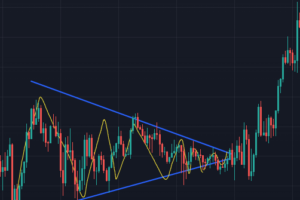


Forex trading strategies are methods of entering and exiting forex positions. These are usually based on a variety of analytical techniques, both technical and fundamental, and allow traders to identify when to buy or sell a currency pair. There are several types of forex trading strategies that forex traders employ to make trading decisions. Here are some common ones:
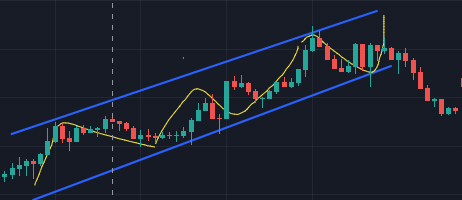
1. Trend-Following Strategies
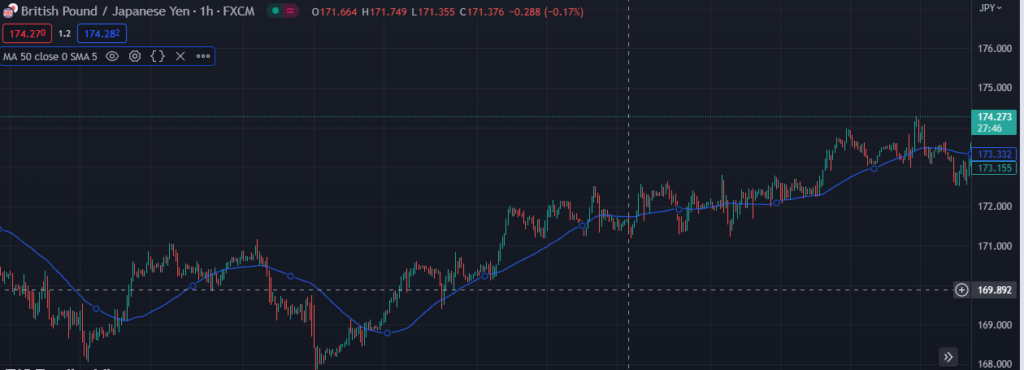
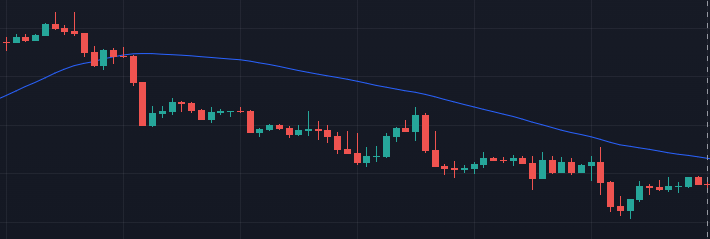
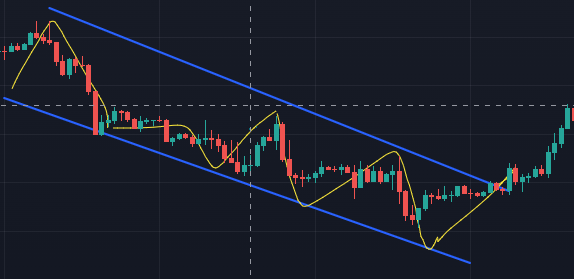
These strategies involve identifying and trading in the direction of an established market trend. Traders may use technical indicators such as moving averages or trendlines to determine the trend’s direction and enter trades accordingly.
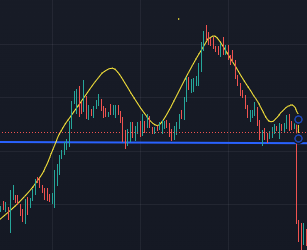
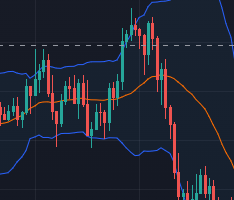
2. Breakout strategies
Breakout traders look for instances when price breaks through a significant support or resistance level. The idea is to capture potential large price movements that can occur after a breakout. Traders may use various technical tools like chart patterns, Bollinger Bands, or volatility indicators to identify potential breakout opportunities.
3. Range trading strategies:
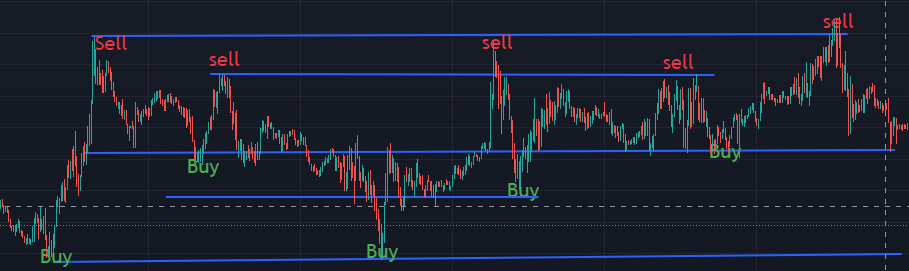
Range traders focus on trading within defined price ranges, buying at support levels and selling at resistance levels. They aim to take advantage of price oscillations between established boundaries. Range traders may use indicators like oscillators or support/resistance levels to identify range-bound conditions.
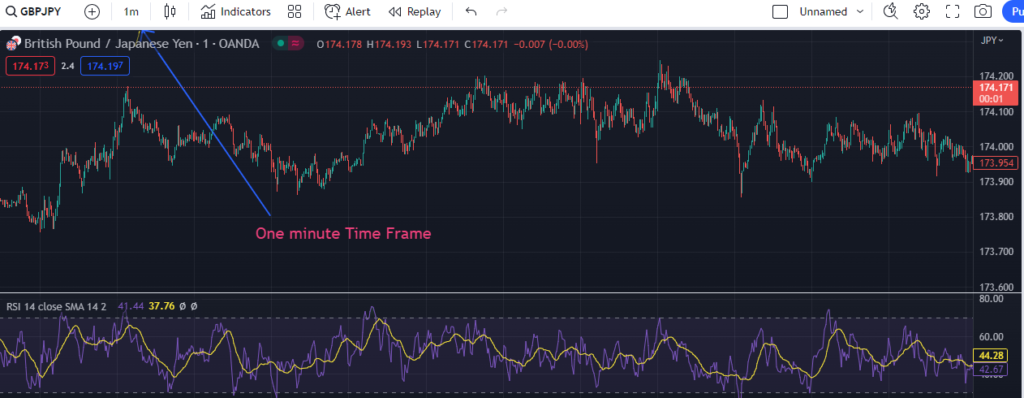
4. Scalping strategies
Scalpers aim to make small, quick profits by entering and exiting trades within short timeframes, often just a few minutes. They rely on technical analysis, order flow, and market liquidity to find short-term opportunities. Scalping requires precision and quick decision-making.
5. Carry trading strategies
Carry traders take advantage of interest rate differentials between currencies. They buy currencies with higher interest rates and sell currencies with lower interest rates, aiming to profit from the interest rate differential while also capturing potential exchange rate movements.
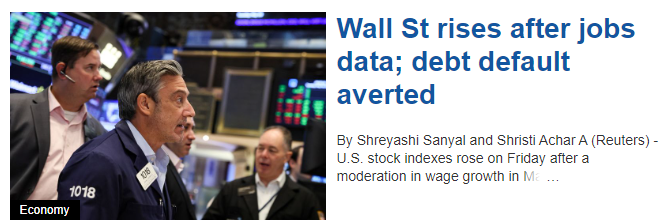
6. News trading strategies
News traders focus on trading around significant economic news releases or events that can cause significant market volatility. They aim to anticipate the market’s reaction to the news and take advantage of price movements that occur during these events.
7. Fundamental analysis strategies
Fundamental traders analyze economic indicators, central bank policies, geopolitical events, and other macroeconomic factors to make trading decisions. They seek to identify undervalued or overvalued currencies based on fundamental factors.
8. Technical analysis strategies
Technical traders rely on analyzing historical price data, chart patterns, and various technical indicators to predict future price movements. They use tools like moving averages, oscillators, and Fibonacci retracements to identify potential entry and exit points.
It’s important to note that different strategies suit different trading styles and risk tolerances. Traders often combine multiple strategies or tailor them to their individual preferences and market conditions. Additionally, risk management and proper trade execution are crucial elements of any trading strategy.