








For investors wishing to trade in these markets, understanding the differences between forex trading and cryptocurrency trading is crucial. While both present chances for financial gain, they have different qualities that make them appropriate in various contexts. Knowing these variations can assist in deciding which market is more suitable for a given set of trading goals.
1. Market Nature and Origin
Forex Trading: Forex trading involves the buying and selling of traditional fiat currencies, such as the US Dollar, Euro, or Japanese Yen. It operates within the global foreign exchange market, which is decentralized and primarily driven by economic factors, central bank policies, and geopolitical events.
Cryptocurrency Trading: Cryptocurrency trading involves the buying and selling of digital assets like Bitcoin, Ethereum, or Litecoin. Cryptocurrencies are decentralized, blockchain-based digital currencies that operate independently of any central authority. Their prices are influenced by factors such as market sentiment, technological advancements, regulatory developments, and investor speculation.
2. Volatility and Risk
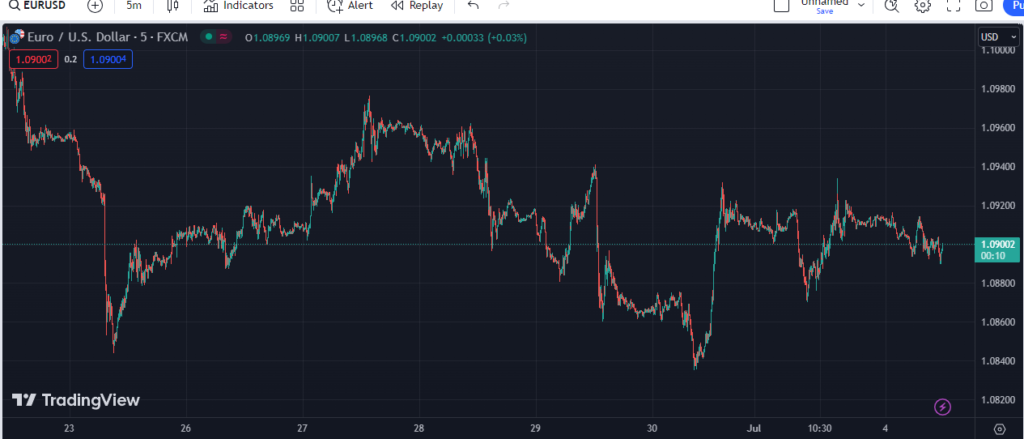
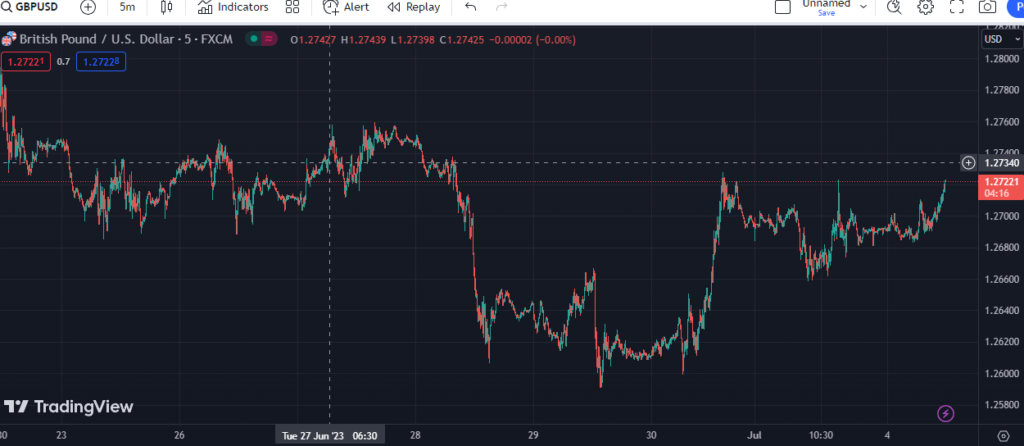
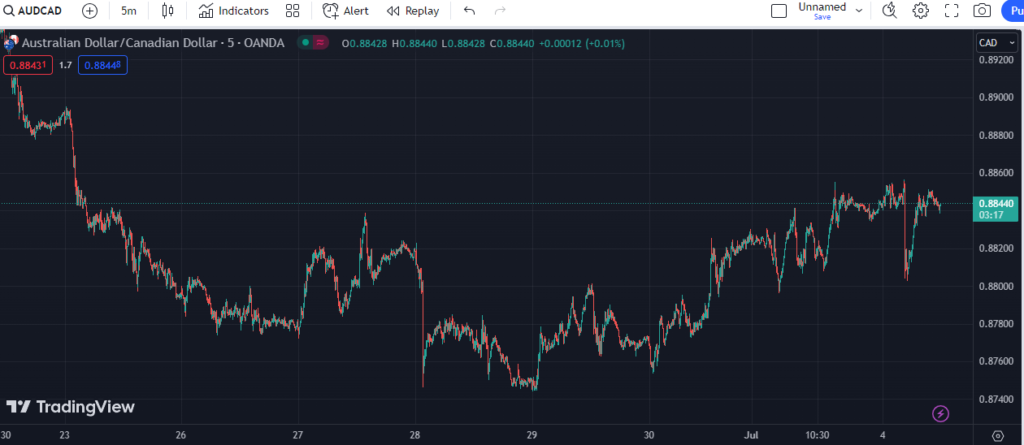
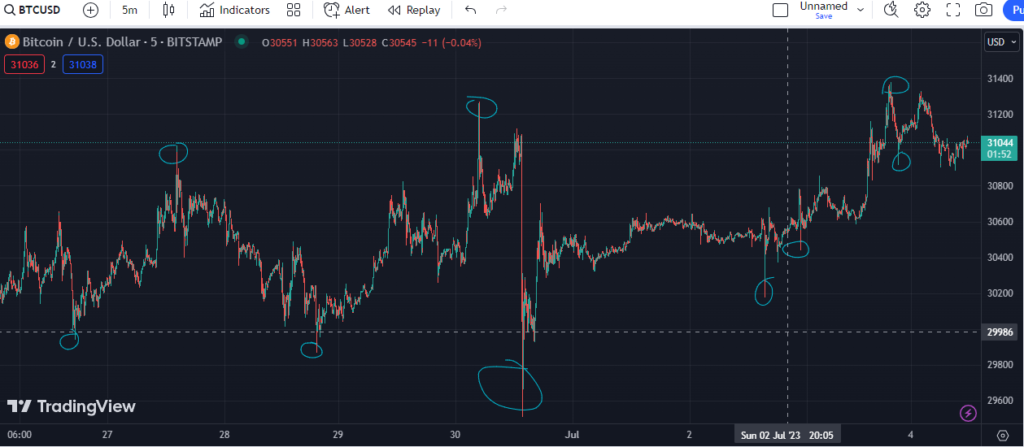
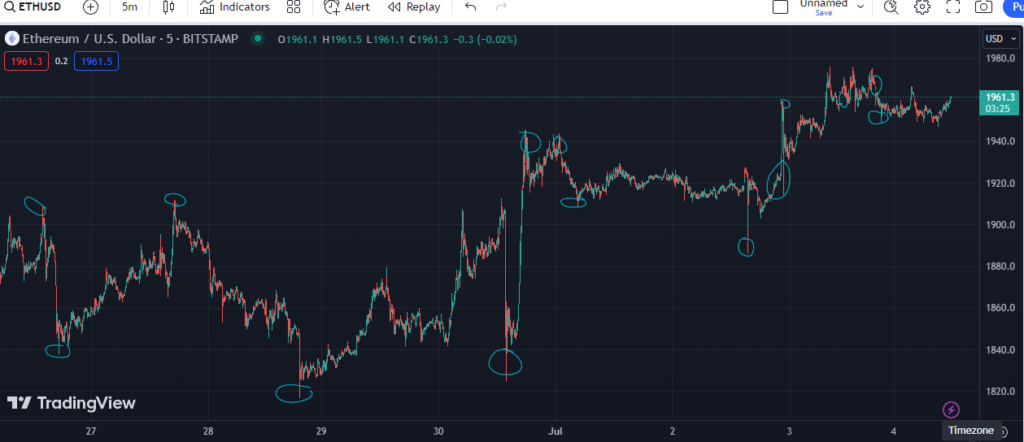
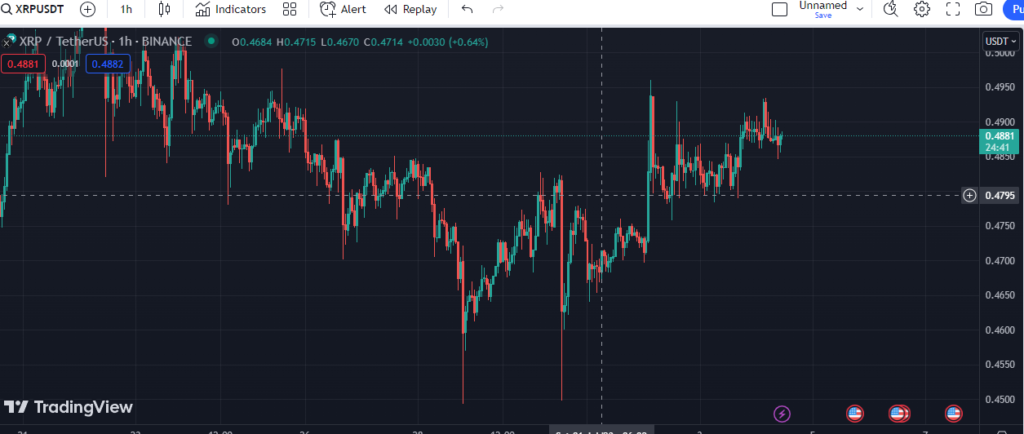
Forex Trading: Forex markets are generally considered to have lower volatility compared to cryptocurrency markets. Currency pairs tend to experience more moderate price fluctuations within a given time period. While volatility can increase during significant news releases or events, it is typically more manageable, especially for traders seeking stable or less-risky investment options. The charts below depict various currency on a five minute time frame with less volatility compared to their cryptocurrency counterparts.
Cryptocurrency Trading: Cryptocurrencies are known for their high volatility. Prices can exhibit rapid and substantial price swings within short timeframes. While this volatility offers potential for significant profits, it also introduces higher risks. Traders interested in higher-risk, higher-reward opportunities may find cryptocurrency trading more suitable for their objectives.
3. Market Structure and Accessibility
Forex Trading: The forex market is the largest and most liquid financial market globally. It operates 24 hours a day, five days a week, providing ample opportunities for trading. Forex trading is conducted over-the-counter (OTC), meaning trades occur directly between participants without a centralized exchange. The forex market is highly accessible, with numerous brokers offering trading platforms to retail traders.
Cryptocurrency Trading: Cryptocurrency trading takes place on various cryptocurrency exchanges. These platforms facilitate the buying and selling of cryptocurrencies and provide order matching, price discovery, and liquidity. Cryptocurrency exchanges operate continuously, allowing trading at any time. However, the availability and accessibility of certain cryptocurrencies may vary depending on the exchange and jurisdiction.
4. Fundamental Factors
Forex Trading: Forex trading is influenced by fundamental factors such as economic indicators, central bank policies, political events, and international trade relations. Traders need to stay informed about economic news releases, monetary policy decisions, and geopolitical developments that can impact currency values and exchange rates.
Cryptocurrency Trading: Cryptocurrency prices are influenced by a different set of factors. While some fundamental factors, such as regulatory decisions and technological advancements, can impact cryptocurrencies, they are often driven by market sentiment, investor demand, adoption trends, media coverage, and overall market perception. Traders must closely monitor market sentiment and developments within the cryptocurrency ecosystem.
5. Regulatory Environment:
Forex Trading: Forex trading is subject to regulatory oversight in many jurisdictions. Governments and financial authorities regulate forex brokers, ensuring fair practices, transparency, and investor protection. Regulatory bodies such as the Commodity Futures Trading Commission (CFTC) in the United States and the Financial Conduct Authority (FCA) in the United Kingdom oversee forex trading activities.
Cryptocurrency Trading: Cryptocurrency regulations vary across different countries, with some having well-established frameworks while others are still developing their approaches. Regulations surrounding cryptocurrencies can cover aspects such as exchanges, initial coin offerings (ICOs), anti-money laundering (AML) measures, and consumer protection. The regulatory landscape for cryptocurrencies is evolving rapidly and can pose challenges and uncertainties for traders. Trade crypto with a regulated broker today!
Which is Better in Certain Situations?
Stable Market Conditions and Lower Risk: Forex trading is generally more suitable when seeking stable market conditions, lower volatility
Forex trading can offer several advantages, making it a preferred choice for many traders in certain situations. Here are some reasons why forex trading may be considered better in certain scenarios:
- Liquidity and Accessibility: The forex market is the largest and most liquid financial market globally, with an average daily trading volume exceeding $6 trillion. This high liquidity ensures that traders can easily enter and exit positions at desired price levels, even for large trade sizes. Additionally, the forex market operates 24 hours a day, five days a week, providing ample trading opportunities and flexibility for traders in different time zones.
- Lower Volatility: Compared to the cryptocurrency market, forex markets generally exhibit lower volatility. Currency pairs tend to experience more moderate price fluctuations within given timeframes. This can be advantageous for traders seeking a more stable and predictable trading environment, especially for those who prefer to minimize risk or employ conservative trading strategies.
- Access to Diverse Currency Pairs: Forex trading offers a wide range of currency pairs to trade. Traders can choose from major currency pairs (such as EUR/USD, GBP/USD, or USD/JPY), minor currency pairs, and exotic currency pairs. This variety allows traders to diversify their portfolios and take advantage of different market conditions or economic trends across various regions.
- Availability of Analytical Tools and Resources: Forex trading has a long history and a well-established ecosystem, providing traders with access to a vast array of analytical tools, resources, and research. Traders can leverage technical analysis, fundamental analysis, and various indicators to make informed trading decisions. Additionally, numerous educational materials, webinars, and forums are available to help traders enhance their skills and knowledge.
- Regulatory Oversight and Investor Protection: Forex trading is subject to regulatory oversight in many jurisdictions, ensuring fair practices, transparency, and investor protection. Regulated forex brokers adhere to specific standards, including segregation of client funds, providing transparent pricing, and maintaining proper risk management protocols. Regulatory bodies such as the CFTC (United States), FCA (United Kingdom), ASIC (Australia), and CySEC (Cyprus) oversee forex trading activities, promoting a more secure trading environment.
- Lower Transaction Costs: Forex trading generally incurs lower transaction costs compared to cryptocurrency trading. Forex brokers typically charge a spread (the difference between the bid and ask price) as their fee, making it more cost-effective for frequent traders. Additionally, the highly competitive nature of the forex market has led to tighter spreads, benefiting traders with better pricing and reduced trading costs.
Click the following link to learn about cryptocurrency and forex
It’s important to note that while forex trading offers numerous advantages, it also carries risks. Traders should carefully assess their risk tolerance, develop a sound trading strategy, and manage their positions effectively to maximize their chances of success in the forex market.